
fb

Stay up-to-date with HR, tech and the future of work. Get our weekly newsletter!

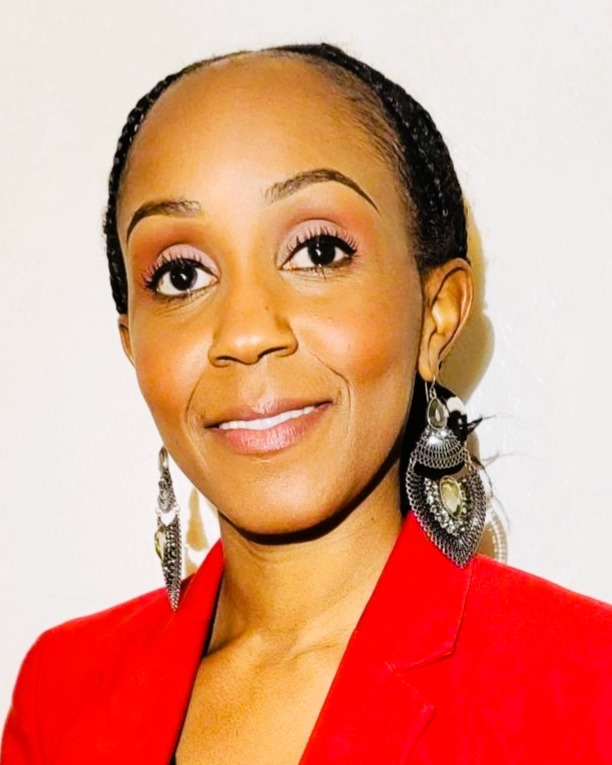
Picture of Jane Gachucha

Jane Gachucha

Jane Gachucha, CFE, is a Certified Fraud Examiner, McKinsey Forward Graduate, and Measurement Integrity Strategist who applies forensic audit methodology to HR and talent systems. Her work has appeared in HR Executive and TalentCulture, where her article on evaluation alignment was selected as an Editor's Pick. Follow her on X at @introempowered or visit introverts-empowered.netlify.app.
Picture of Jane Gachucha

Jane Gachucha

Jane Gachucha, CFE, is a Certified Fraud Examiner, McKinsey Forward Graduate, and Measurement Integrity Strategist who applies forensic audit methodology to HR and talent systems. Her work has appeared in HR Executive and TalentCulture, where her article on evaluation alignment was selected as an Editor's Pick. Follow her on X at @introempowered or visit introverts-empowered.netlify.app.
Talent systems

Stop Treating Hiring, Performance, and Retention as Separate Problems

Most organizations do not have a talent strategy problem. They have a talent alignment problem. Employees are often hired using one definition of success and later evaluated using another. Over time, that disconnect quietly reshapes promotion decisions, compensation outcomes, and retention patterns. The issue is rarely announced. It develops gradually through changing priorities, evolving manager expectations, and performance systems that drift away from the capabilities originally tied to success. Each decision may appear reasonable on its own. A company may hire for analytical judgment and later reward constant responsiveness. Leadership programs may encourage reflective decision-making while promotion decisions favor visibility. Compensation


Read More »
The talent lifecycle

The First 12 Months: Why Talent Lifecycle Alignment Quietly Breaks After Hiring

Organizations have invested heavily in improving hiring accuracy.  Structured assessments are validated. Predictive tools are deployed.  Interview frameworks are standardized.  Talent analytics dashboards are refined.  Yet within the first-year post-hire, many enterprises quietly undermine those gains. For recruiting leaders, a hidden paradox. Selection rigor has improved significantly over the past decade.  Predictive assessments are stronger.  Structured interviews are more disciplined.  AI-assisted tools promise higher precision and scalability.  Yet many organizations still experience retention instability, succession fragility, and inconsistent performance outcomes within the first 12 to 18 months after hire. The issue is rarely flawed hiring science. It is a measurement gap

Read More »
Employee Evaluation

The Evaluation Alignment Gap: Why Training Investment Fails to Deliver Results

The Wall Street Journal recently reported that office introverts are speaking up through corporate affinity groups at Bristol Myers Squibb, Amazon, and L’Oréal. Companies are investing in recharge spaces, discussion panels, and reflective work to support quieter work patterns.  Recognition is growing; without measurement alignment, changes occur slowly. Most organizations invest heavily in leadership development and employee training.  Yet year after year, business leaders report the same frustrating pattern: performance ratings barely shift.  Promotion decisions do not improve.  In other words: Learning happens.  Recognition does not. This is the evaluation alignment gap— a misalignment between what an organization teaches and what

Read More »

Subscribing to Ho-Hum Newsletters? We have the fix!

Join our 500K+ community members, social followers, website visitors, and subscribers who receive our FREE newsletter packed with all the latest news and insights happening in the world of work, seamlessly delivered to your inbox.
Skip to content